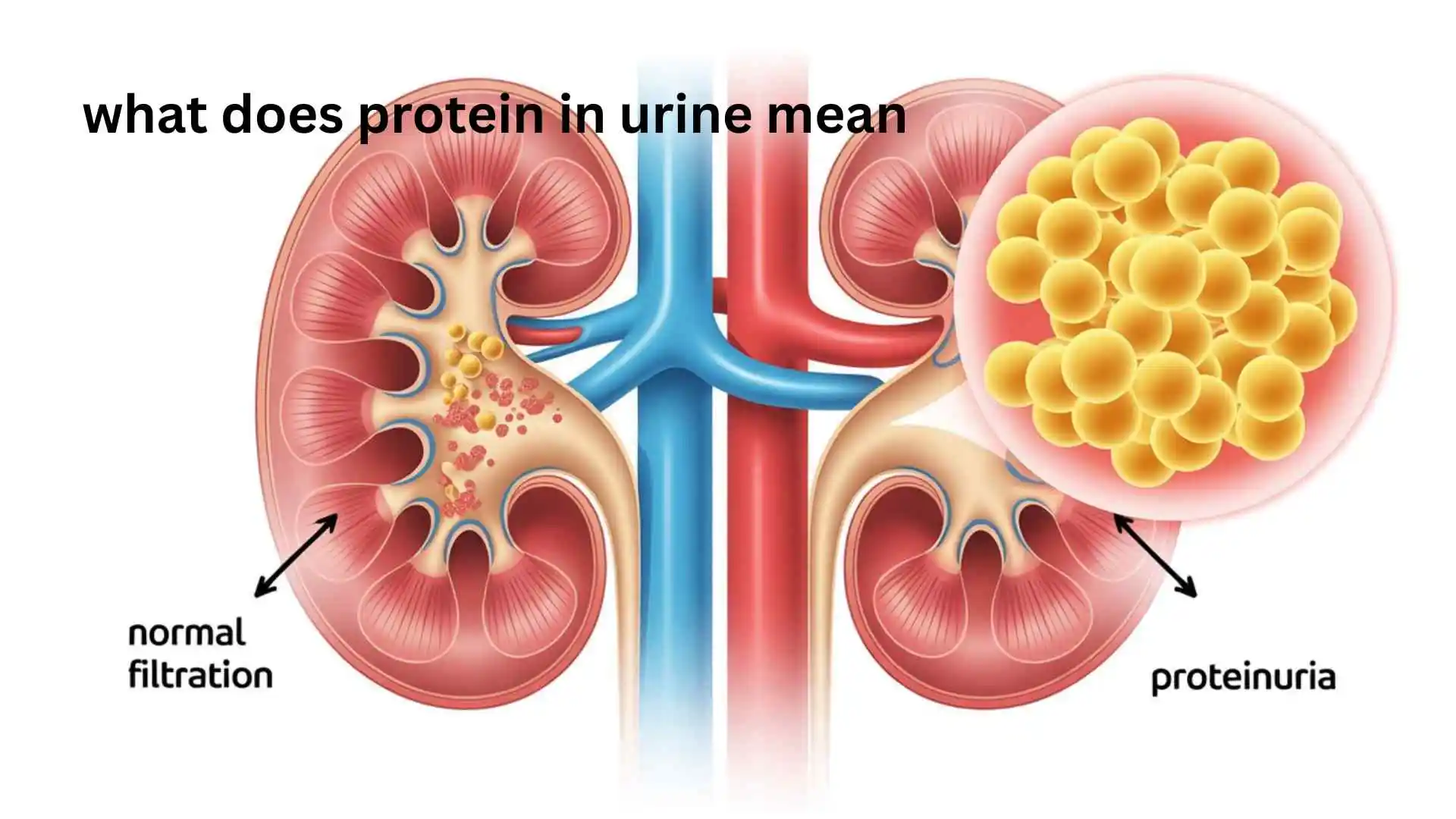
What Does Protein in Urine Mean | Causes, Symptoms, Risks & Treatment Guide
Last updated: May 3, 2026 at 11:55 am by Admin
Finding protein in your urine test results can feel worrying, especially if you don’t understand what it means.
Sometimes it is completely harmless and temporary, but in other cases, it can signal an underlying health issue.
Your kidneys normally keep protein in your blood, so when it appears in urine, it tells us something about kidney function.
In this guide, you’ll learn what protein in urine means, why it happens, and when you should be concerned.
What Does Protein in Urine Mean? (Simple Definition)
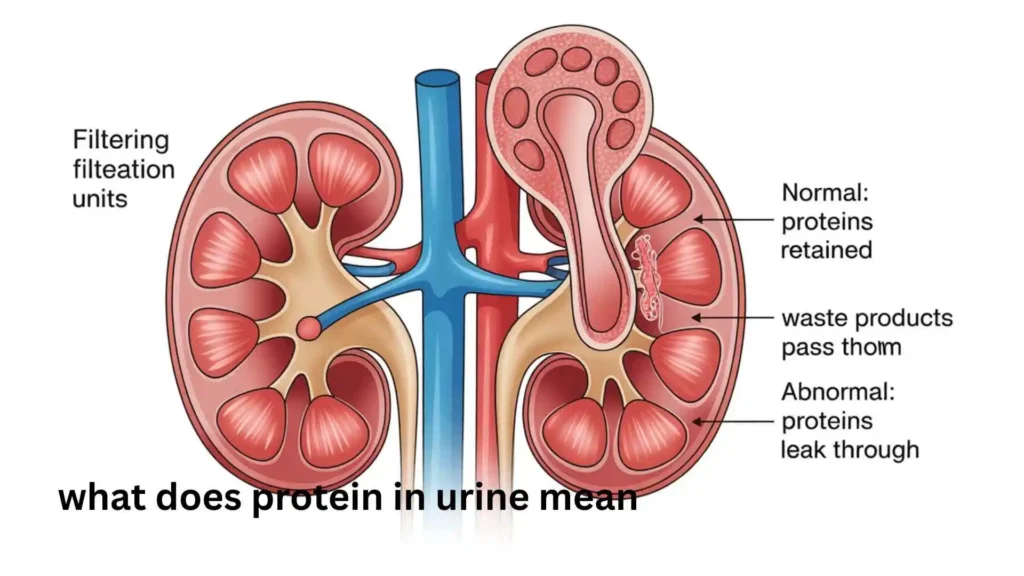
Protein in urine means that a small or large amount of protein is leaking from the kidneys into the urine, a condition called proteinuria.
Normally, kidneys filter waste but keep important proteins in the blood. When this filter is not working properly, protein can pass into urine.
What Is Proteinuria?
Proteinuria is the medical term for having excess protein in urine.
It can be:
- Temporary (short-term)
- Persistent (long-term)
Temporary cases are often harmless, while persistent cases may need medical attention.
Is Protein in Urine Normal or Dangerous?
Protein in urine is not always dangerous. It depends on the cause.
Normal (Temporary) Causes:
- Fever or illness
- Dehydration
- Heavy exercise
- Stress
Potentially Serious Causes:
- Kidney disease
- Diabetes
- Hypertension
Common Causes of Protein in Urine
Several conditions can lead to protein leakage:
- Temporary illness or fever
- Intense physical activity
- Dehydration
- High blood pressure
- Diabetes
- Kidney-related problems
- Infections affecting the urinary system
Protein in Urine During Pregnancy
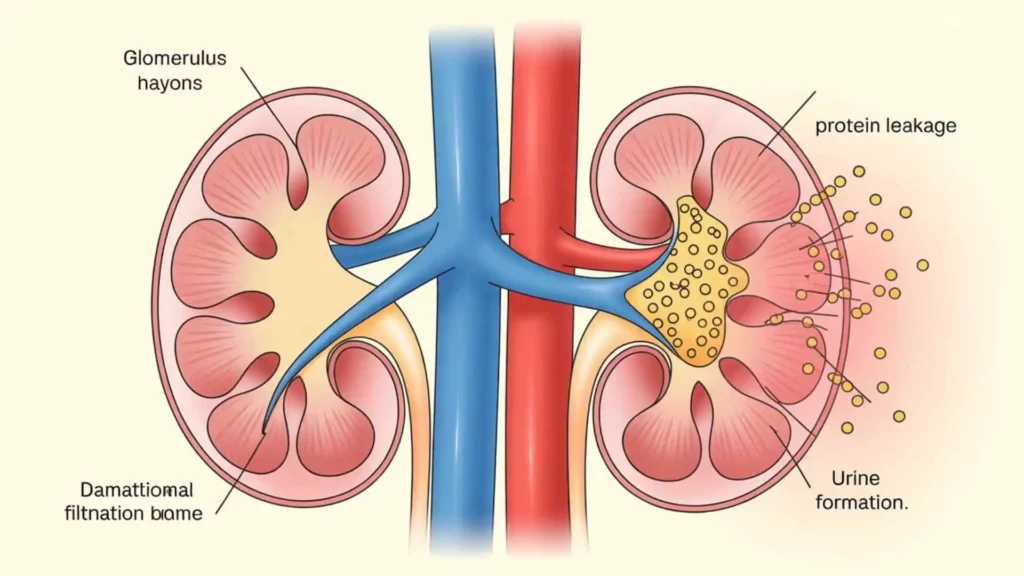
Protein in urine during pregnancy can sometimes be normal, but it may also indicate a serious condition like preeclampsia.
Pregnant women should monitor it closely, especially if it comes with:
- High blood pressure
- Swelling in hands or feet
- Headaches
Symptoms of Protein in Urine
In many cases, there are no obvious symptoms, but possible signs include:
- Foamy or frothy urine
- Swelling in legs, hands, or face
- Fatigue
- Frequent urination
- Unexplained weight gain
How Is Protein in Urine Diagnosed?
Doctors use simple tests to confirm protein levels:
- Urine dipstick test
- 24-hour urine test
- Urine protein-to-creatinine ratio
- Blood tests for kidney function
Types of Protein in Urine
1. Temporary Proteinuria
Occurs due to fever, exercise, or stress and usually goes away.
2. Orthostatic Proteinuria
Happens when standing for long periods, usually harmless.
3. Persistent Proteinuria
May indicate chronic kidney or metabolic conditions.
When Should You Worry About Protein in Urine?
You should seek medical advice if:
- Protein levels remain high over time
- You have swelling or fatigue
- You have diabetes or high blood pressure
- Urine looks consistently foamy
- Symptoms worsen instead of improving
Treatment for Protein in Urine
Treatment depends on the cause:
- Managing underlying conditions
- Controlling blood sugar levels
- Managing blood pressure
- Medications prescribed by a doctor
- Regular kidney monitoring
How to Reduce Protein in Urine Naturally
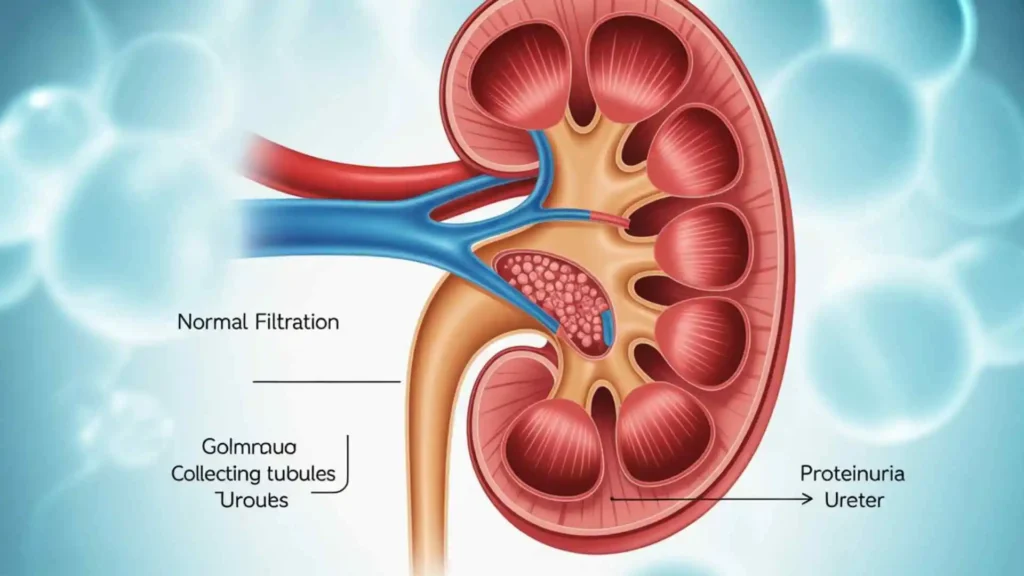
You can support kidney health by:
- Drinking enough water
- Reducing salt intake
- Eating a balanced diet
- Exercising moderately
- Managing diabetes and blood pressure
- Avoiding excessive painkiller use
Can Protein in Urine Go Away on Its Own?
Yes, in temporary cases like fever or exercise, it often disappears naturally.
However, if it is caused by chronic conditions, medical treatment is needed to control it.
Complications of Untreated Proteinuria
If ignored for a long time, it may lead to:
- Worsening Kidney disease
- Fluid retention
- Increased cardiovascular risk
- Progressive kidney damage
Prevention Tips
To reduce risk of protein in urine:
- Regular health checkups
- Manage blood sugar and blood pressure
- Stay hydrated
- Maintain healthy lifestyle habits
- Avoid self-medication
Frequently Asked Questions (FAQs)
What does protein in urine mean?
It means protein is leaking into urine due to temporary or kidney-related issues.
Is protein in urine serious?
It can be harmless or serious depending on the cause and duration.
Can dehydration cause protein in urine?
Yes, dehydration can temporarily increase protein levels.
How do I reduce protein in urine?
By treating the underlying cause and maintaining a healthy lifestyle.
Does protein in urine mean kidney disease?
Not always, but persistent proteinuria may indicate kidney issues.
Conclusion
Protein in urine is a sign that your kidneys are allowing protein to pass into urine, which can happen for harmless reasons like dehydration or exercise, but it may also indicate conditions such as diabetes, high blood pressure, or kidney disease, so understanding the cause through proper testing is important rather than assuming the worst immediately.
Discover More Topics:

Emily Rhodes is a contemporary fiction author known for emotionally engaging stories that explore love, identity, and quiet resilience through lyrical storytelling.
Books by Emily Rhodes
-
Where the Quiet Hearts Rest
-
Beneath the Light We Hide