What Does Emo Mean | Definition, Culture, Fashion & Music Guide for 2026
Last updated: April 12, 2026 at 10:29 am by Admin
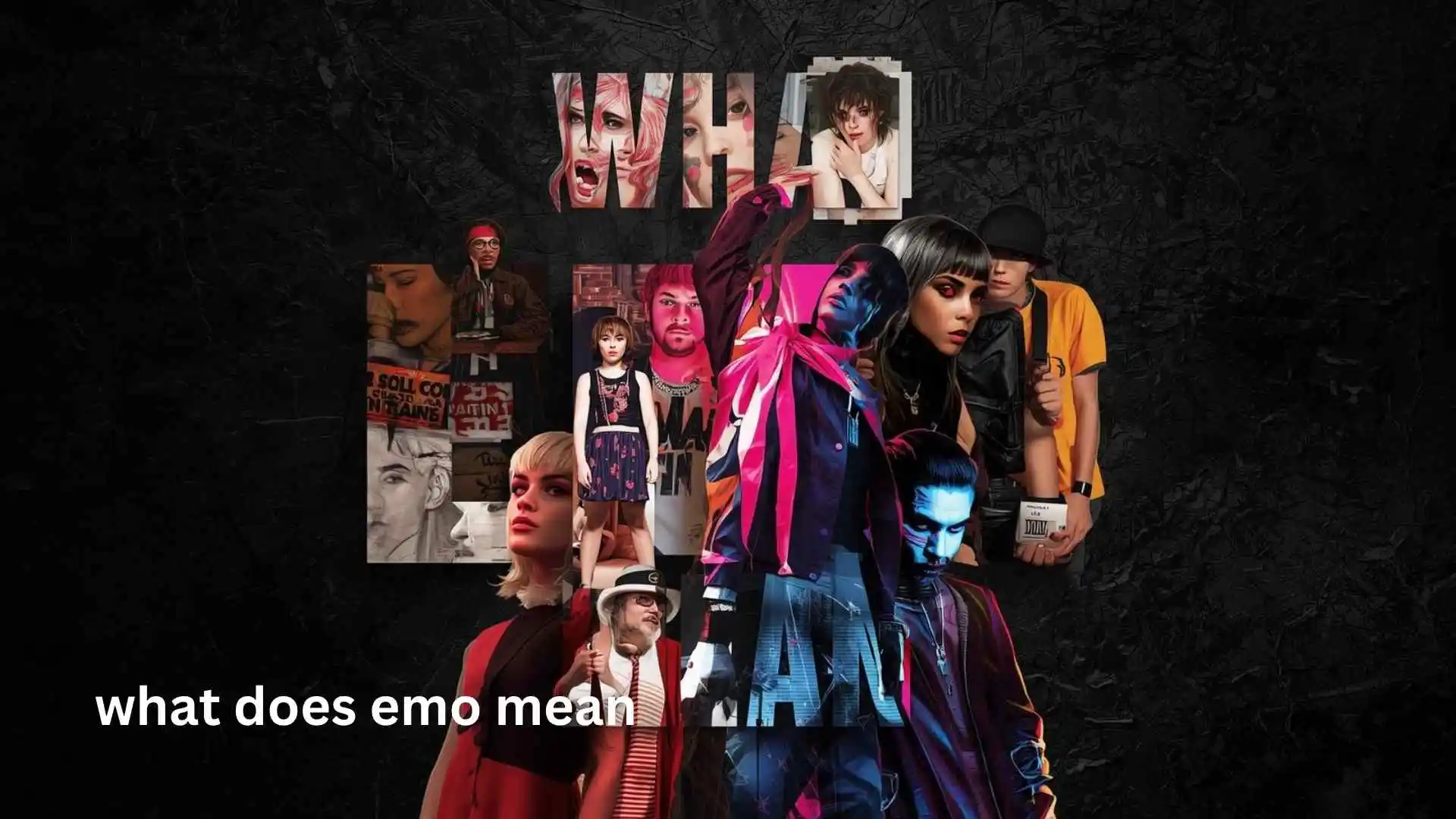
The word emo is commonly used in music, fashion, and online culture, but many people still wonder what it really means.
Originally linked to a music genre, emo has grown into a wider subculture known for emotional expression, unique style, and individuality.
In this guide, you’ll learn the meaning of emo, its history, music roots, fashion trends, and what it means in modern culture in 2026.
The Origin and History of Emo
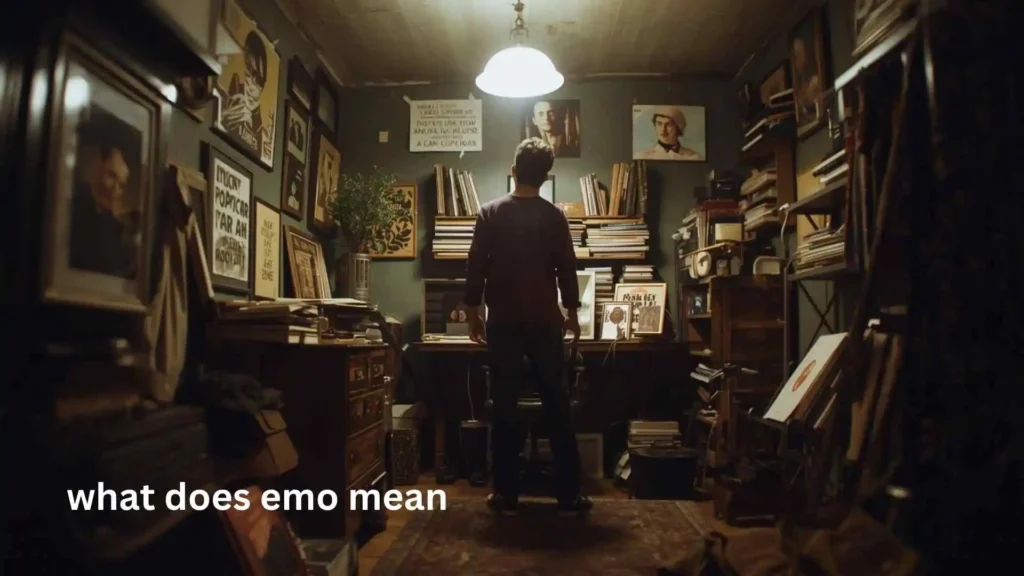
Emo began in the mid-1980s in the United States as a subgenre of punk rock.
Early bands used emotionally intense lyrics and personal storytelling, which made the style different from traditional punk music.
Some of the first well-known emo bands included Rites of Spring and Embrace.
By the late 1990s and early 2000s, emo became mainstream and started influencing fashion, internet culture, and youth identity.
Emo Music and Its Characteristics
Emo music blends elements of punk rock, alternative rock, and indie music.
Its lyrics often focus on:
- heartbreak
- relationships
- identity struggles
- personal emotions
- life experiences
Popular emo bands include My Chemical Romance, Fall Out Boy, and Dashboard Confessional.
These bands helped shape emo culture for an entire generation.
Emo Fashion and Style
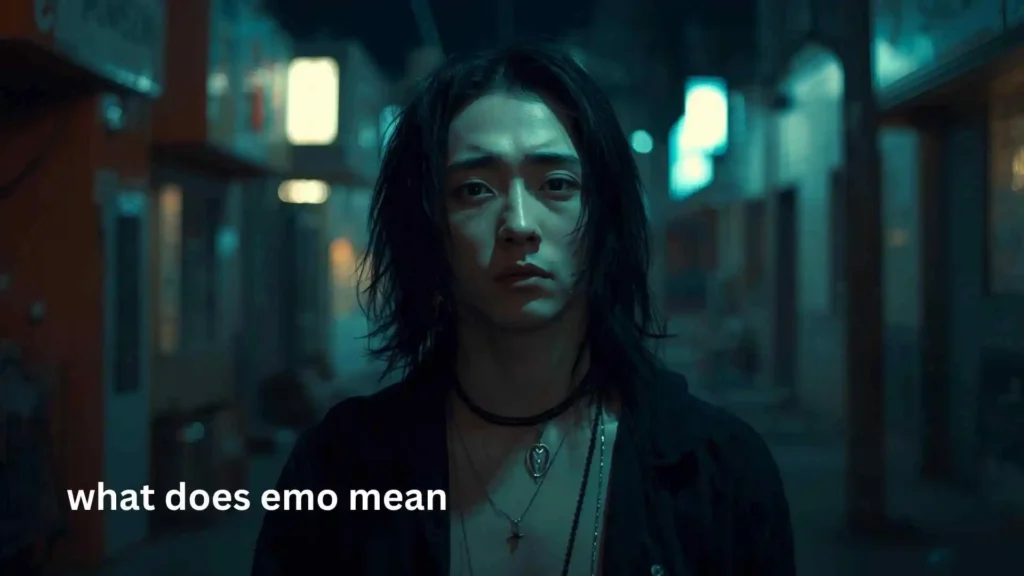
Emo fashion is known for its bold and expressive look.
Common style elements include:
- black clothing
- skinny jeans
- band T-shirts
- studded belts
- bracelets and piercings
Hairstyles often feature dark dyed hair with side-swept bangs.
Makeup, especially dark eyeliner, is also a common part of the look.
Emo Culture and Lifestyle
- Emo culture is about more than fashion and music.
- It represents emotional openness, creativity, and individuality.
- Many people in the emo community express themselves through:
- music
- poetry
- art
- social media
- personal style
- In 2026, emo culture is also visible on platforms like TikTok and Instagram, where people share music edits, fashion inspiration, and nostalgic content.
What Does Emo Mean on Social Media in 2026?
- Today, the word emo is often used online to describe:
- sad or emotional music
- alternative fashion
- nostalgic 2000s aesthetics
- deep feelings and expressive content
- On social media, people may use the term casually, but its original roots still come from music and subculture history.
Emo vs Goth vs Punk
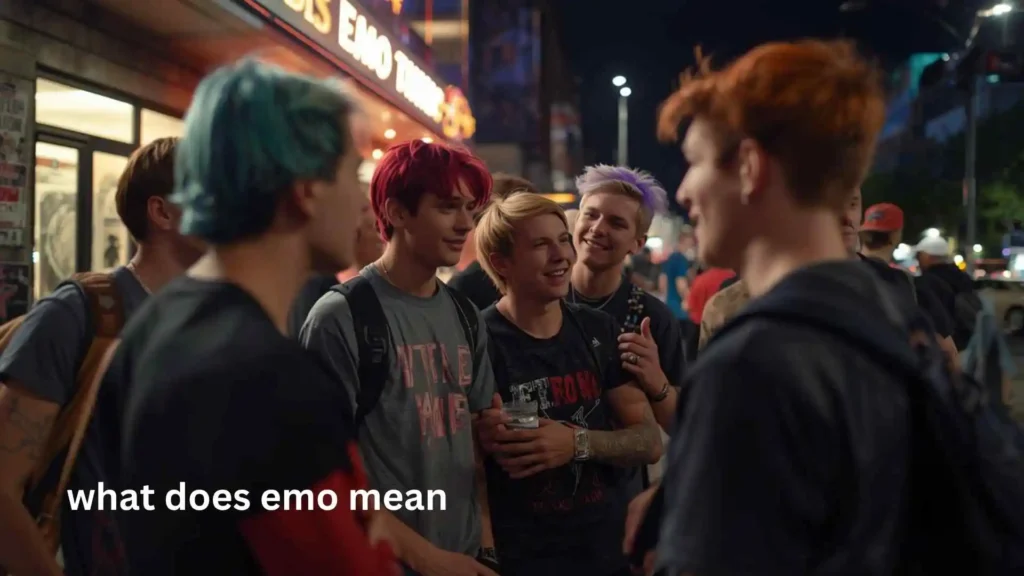
- Although these styles may look similar, they are different.
- Emo: emotional, expressive, introspective
- Goth: dark, mysterious, dramatic
- Punk: rebellious, energetic, anti-establishment
- Each culture has its own fashion, music style, and identity.
Common Misunderstandings About Emo
- Many people misunderstand the term emo.
- Being emo does not automatically mean sadness or depression.
- It is mainly about honest emotional expression and personal identity.
- Not everyone who dresses in black or listens to alternative music identifies as emo.
Frequently Asked Questions
What does emo mean in simple words?
Emo means emotional and usually refers to a music style and subculture focused on feelings and self-expression.
Is emo only about music?
No, emo also includes fashion, culture, and lifestyle.
Can anyone be emo?
Anyone can enjoy emo music or style, but being part of the subculture usually involves shared interests and identity.
Conclusion
Emo is much more than a label. It is a culture built around emotional honesty, music, fashion, and individuality. Understanding its roots and modern meaning helps people see emo as a creative and expressive identity rather than a stereotype.
Discover More Topics:
- What Does Senpai Mean | Complete Meaning in Japanese Culture, Anime & Slang 2026
- What Does Yeet Mean | Full Meaning, Origin & Usage Explained 2026

Amelia Brooks is a creative writer and cultural researcher with a passion for exploring unique names, modern naming trends, and the stories behind everyday objects.
She writes easy-to-read guides that help parents, students, and creators discover meaningful and creative name ideas. Amelia believes every word and name carries its own personality.