What Does Blue Collar Mean | Definition, Jobs, Salary, History & White Collar Comparison
Last updated: May 12, 2026 at 11:41 am by Admin
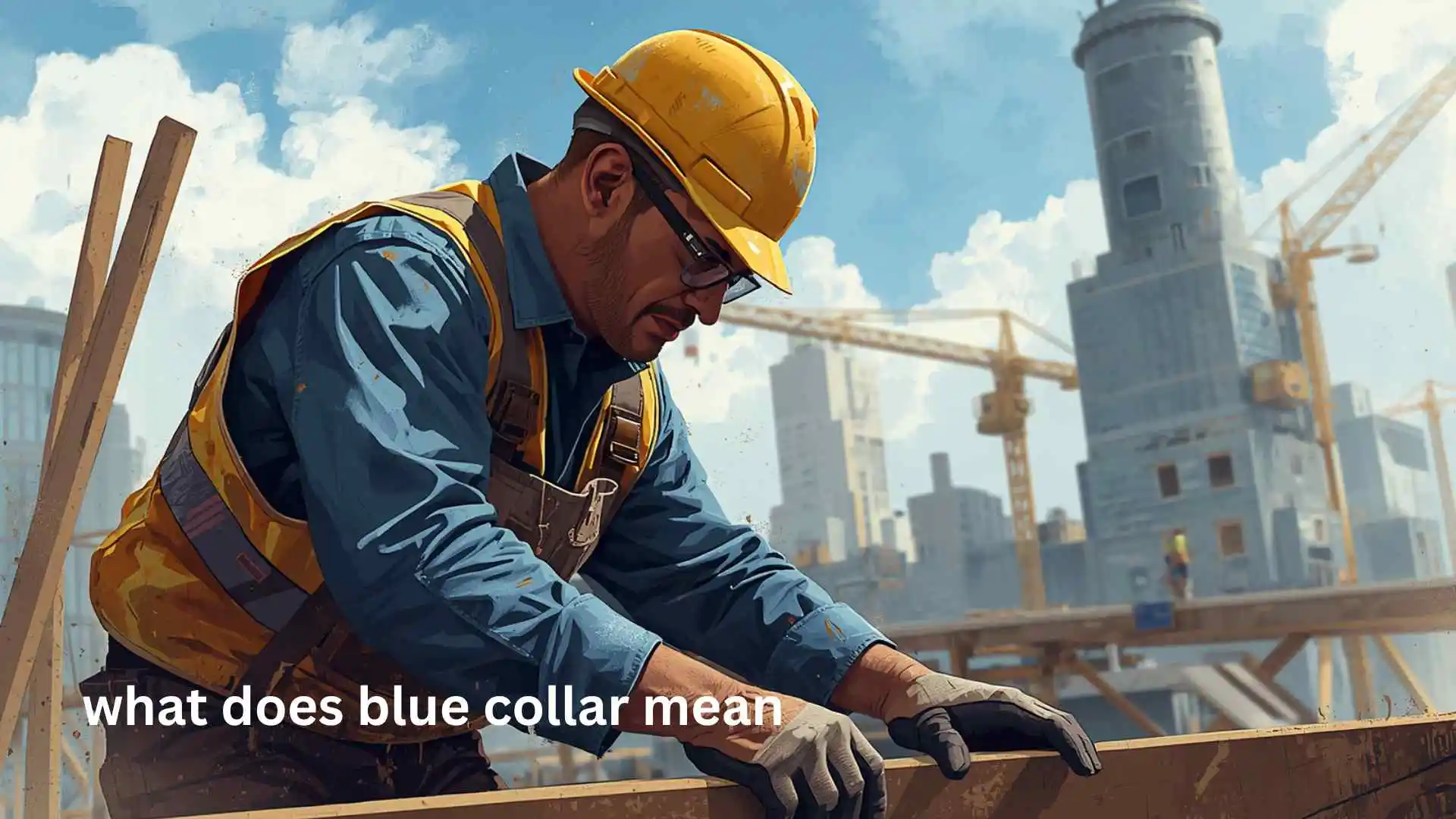
Many people hear the term “blue collar” in job discussions but are not fully sure what it actually means. It is a common way to describe a large group of workers based on the type of work they do rather than their job title.
The term is often compared with “white collar” jobs, which makes it even more important to understand.
In this guide, you’ll learn the simple meaning of blue collar, job examples, salary insights, and key differences.
What Does Blue Collar Mean? (Simple Definition)
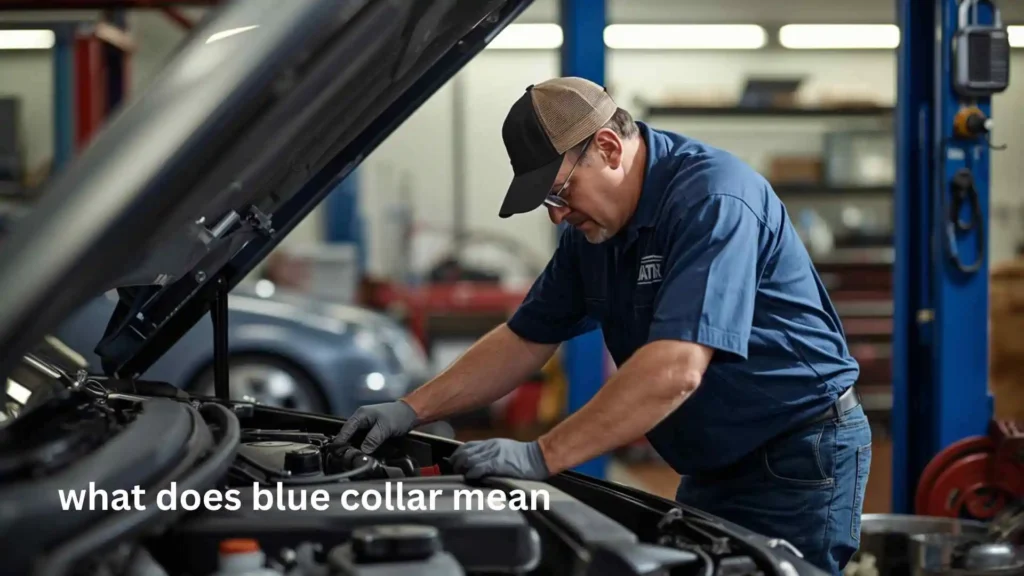
“Blue collar” refers to workers who perform manual labor or skilled trade jobs that often involve physical work or technical skills.
👉 Simple meaning: Blue collar = jobs that involve hands-on physical or technical work instead of office work.
These jobs are an essential part of industries like construction, manufacturing, transport, and maintenance.
Why Is It Called “Blue Collar”?
The term comes from the clothing workers traditionally wore.
- Industrial workers often wore durable blue uniforms or denim shirts
- Blue clothing helped hide dirt and grease from physical work
- Over time, “blue collar” became a term for this type of workforce
So, it is not about the job color—it’s about work clothing history.
Types of Blue Collar Jobs
Blue collar jobs include many skilled and semi-skilled professions such as:
- Construction workers
- Electricians
- Plumbers
- Mechanics
- Factory workers
- Truck drivers
- Welders
- Maintenance technicians
👉 These roles often require training, experience, or trade skills.
Blue Collar vs White Collar Jobs
🔵 Blue Collar Jobs
- Manual or physical work
- Skilled trades or technical jobs
- Work in factories, construction sites, or outdoors
- Paid hourly or based on labor
⚪ White Collar Jobs
- Office or administrative work
- Professional or corporate roles
- Work in offices or digital environments
- Often salaried positions
👉 Example: Electrician (blue collar) vs Accountant (white collar)
Blue Collar vs White Collar vs Pink Collar Jobs
- Blue collar → manual and trade work
- White collar → corporate/office jobs
- Pink collar → caregiving and service jobs (nursing, teaching, etc.)
👉 These categories help explain different workforce roles.
Work Environment of Blue Collar Jobs
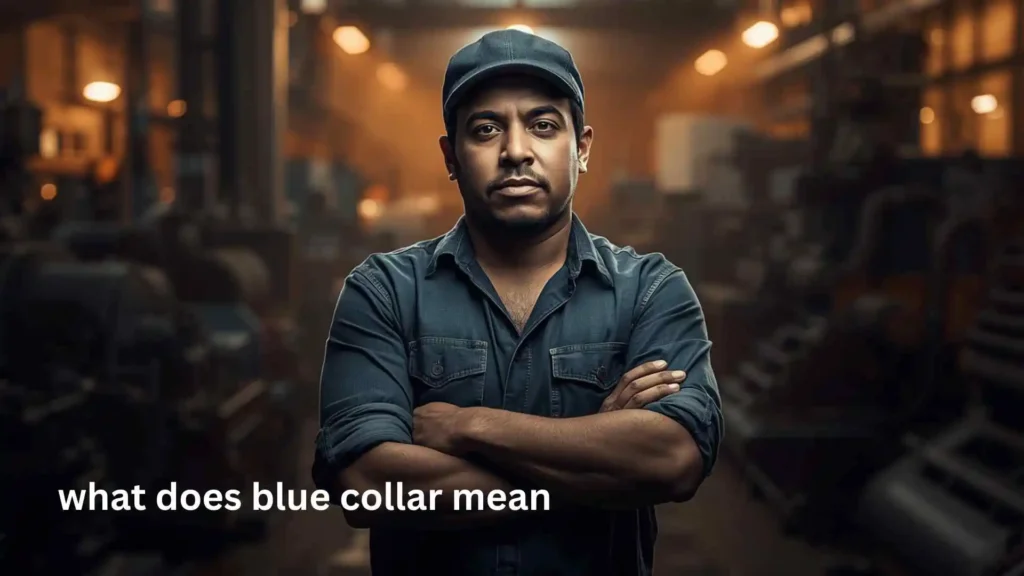
Blue collar workers usually work in:
- Construction sites
- Factories
- Roads and outdoor areas
- Workshops and industrial facilities
The work is often physical and may involve tools or machinery.
Skills Needed for Blue Collar Jobs
Blue collar work often requires:
- Technical or trade skills
- Physical strength and stamina
- Problem-solving ability
- Training or apprenticeships
- Safety knowledge
👉 Many blue collar jobs today are highly skilled professions.
Salary and Income of Blue Collar Workers
Income varies depending on skill and industry:
- Skilled trades (electricians, plumbers) often earn strong wages
- Entry-level jobs may start lower but increase with experience
- Overtime and hourly pay are common
- High-demand skills can lead to excellent income
👉 Skilled blue collar jobs can be very well-paid.
Are Blue Collar Jobs Skilled or Unskilled?
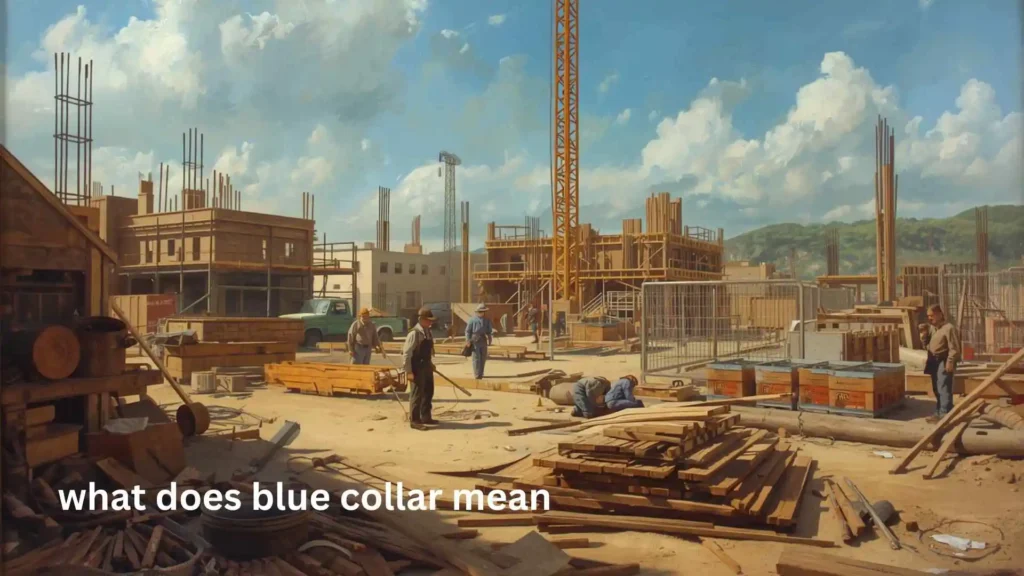
Not all blue collar jobs are unskilled.
- Many require technical training or certifications
- Apprenticeships are common in trades
- Modern blue collar work often involves advanced tools and technology
👉 Today, many blue collar jobs are highly skilled careers.
Importance of Blue Collar Work in Society
Blue collar workers are essential because they:
- Build infrastructure like roads and buildings
- Maintain electricity, plumbing, and transport systems
- Support industrial and manufacturing industries
- Keep daily life running smoothly
👉 They are the backbone of physical infrastructure.
Modern Changes in Blue Collar Jobs
Blue collar work has evolved significantly:
- More use of machines and technology
- Higher skill requirements
- Better training programs
- Increased earning potential in skilled trades
👉 Today’s blue collar jobs are more advanced than ever.
Common Misunderstandings About Blue Collar Jobs
- They are low-skill jobs (not always true)
- They pay poorly (depends on skill and trade)
- They require no education (many need training)
- They are less important than office jobs (incorrect)
Who Should Consider Blue Collar Careers?
Blue collar careers may suit people who:
- Prefer hands-on work
- Enjoy practical problem-solving
- Want trade-based careers
- Prefer working outside offices
- Want in-demand skilled jobs
Simple Summary of Blue Collar Meaning
👉 Blue collar refers to workers who perform manual or skilled trade jobs involving physical or technical work rather than office-based tasks.
Frequently Asked Questions (FAQs)
What does blue collar mean?
It refers to manual or skilled trade workers.
What are blue collar jobs?
Jobs like construction, plumbing, mechanics, and factory work.
Is blue collar a good career?
Yes, many skilled blue collar jobs pay well and are in high demand.
Why is it called blue collar?
Because workers traditionally wore blue uniforms.
What is the difference between blue and white collar?
Blue collar involves manual work, white collar involves office work.
Conclusion
Blue collar refers to a major workforce category that includes skilled and manual labor jobs essential for building and maintaining society. These roles are not only important but also increasingly skilled and well-paid in many industries. Understanding the meaning of blue collar helps clarify how different job types contribute to the economy and everyday life.
Discover More Topics:

Liam Hawthorne is a contemporary fiction author known for his emotionally rich storytelling and realistic characters.
His writing focuses on human struggles, quiet resilience, and the unseen emotions people carry in everyday life.
Liam’s stories blend modern themes with deep introspection, making his work relatable to readers across cultures.
Books by Liam Hawthorne
-
Beneath the Silent Skies
-
Where Shadows Learn to Speak