What Does Organic Mean | Definition, Benefits & Examples for 2026
You often see the term organic on food labels, skincare products, and lifestyle blogs, but what does it actually mean?
Organic refers to items produced without synthetic chemicals, pesticides, or artificial additives.
In this article, we’ll explore the definition of organic, its applications, benefits, and how to identify authentic organic products.
What Does Organic Mean?

Organic describes products made using natural processes without synthetic chemicals, genetically modified organisms (GMOs), or artificial additives. It applies to a wide range of items, from food and beverages to beauty products and household goods, emphasizing health, sustainability, and environmentally-friendly practices.
Organic Food Meaning
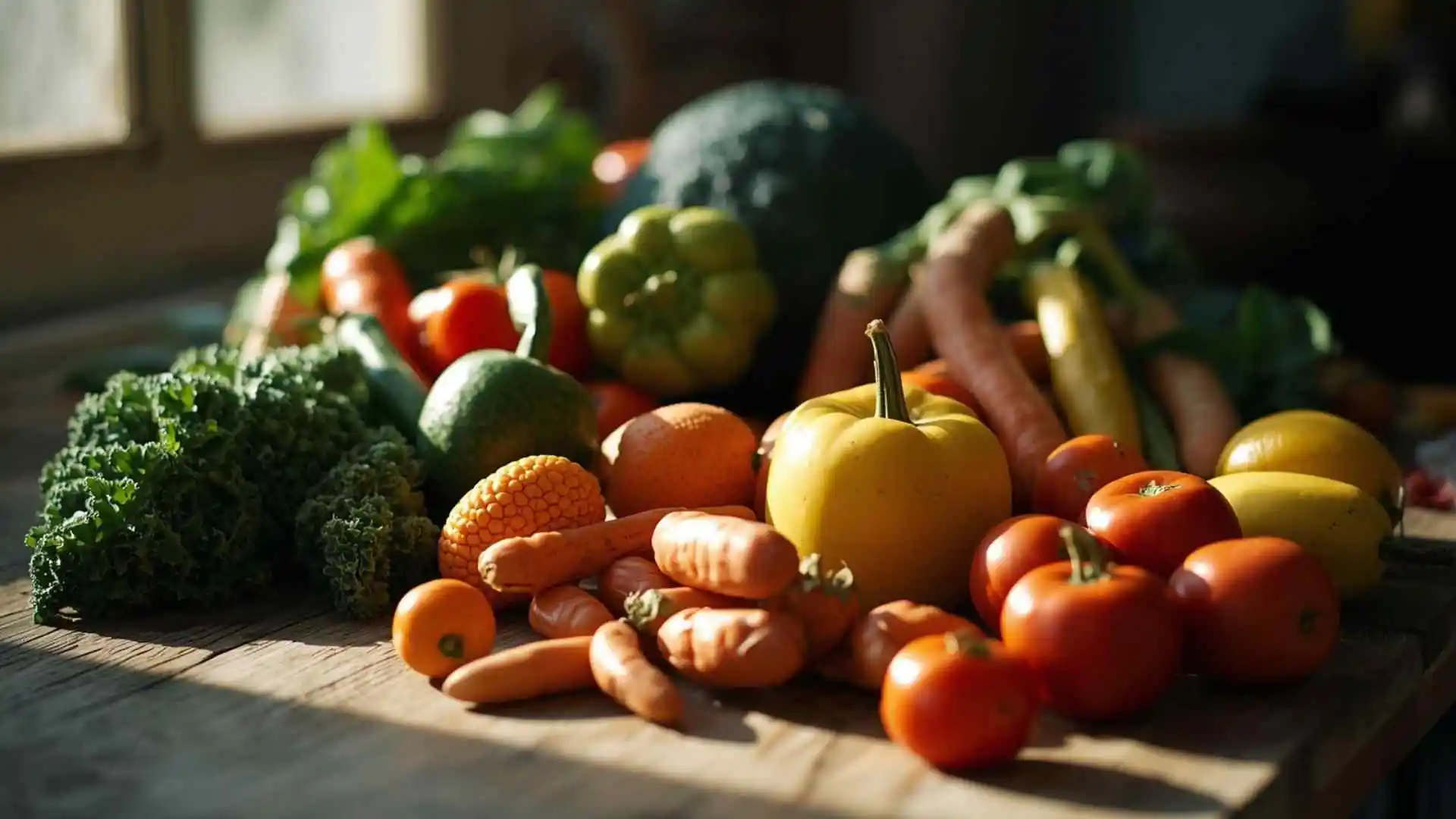
Organic food is cultivated without chemical pesticides, synthetic fertilizers, or GMOs. Farmers rely on natural methods like composting, crop rotation, and biological pest control. Examples of organic food include:
- Fruits and vegetables
- Dairy products like milk and cheese
- Grains and cereals
- Meat and poultry from organically raised animals
Organic Products Beyond Food
- Skincare and beauty products: Organic creams, lotions, and makeup free from harmful chemicals.
- Clothing and textiles: Organic cotton and eco-friendly fabrics.
- Household items: Cleaning products made from natural ingredients.
Benefits of Organic Products
- Health benefits: Reduced exposure to harmful chemicals; some studies suggest higher antioxidant levels in organic foods.
- Environmental benefits: Sustainable farming practices reduce pollution and soil degradation.
- Ethical benefits: Cruelty-free products and responsible sourcing.
How to Identify Authentic Organic Products
- Look for certifications like USDA Organic, EU Organic, or other recognized labels.
- Read labels for terms like “100% organic” or “certified organic.”
- Understand the difference between organic, natural, and chemical-free—they are not always the same.
Organic vs Non-Organic
- Farming practices: Organic avoids synthetic chemicals; conventional uses fertilizers and pesticides.
- Price: Organic products are usually more expensive due to production costs.
- Nutrition: Some studies show higher antioxidant levels in organic produce, but results vary.
Common Misunderstandings About Organic

- Organic doesn’t always mean pesticide-free; natural pesticides may be used.
- Organic does not guarantee significantly higher nutritional value in every case.
- “Natural” is not the same as organic—check labels carefully.
Frequently Asked Questions About Organic
What does organic mean in simple terms?
It means produced without synthetic chemicals, GMOs, or artificial additives.
Is organic food healthier than non-organic?
Organic food reduces exposure to harmful chemicals, though nutritional differences may vary.
How can I trust organic labels?
Look for official certifications like USDA Organic or EU Organic on the product.
Are organic products more expensive?
Yes, due to stricter farming standards and lower yields.
Do organic products expire faster?
Some organic foods may have shorter shelf lives because they lack preservatives.
Tips for Choosing Organic Products
- Focus on items you consume most often, like fruits and vegetables.
- Check for reliable certification labels.
- Balance budget with priority organic items.
- Learn to distinguish marketing terms like “natural” vs “organic.”
Conclusion
Organic refers to products made without synthetic chemicals, GMOs, or artificial additives, promoting health, sustainability, and ethical production. Knowing what organic truly means, its benefits, and how to identify certified products helps consumers make informed and responsible choices in food, skincare, clothing, and lifestyle items.
Discover More Topics:
- What Does Senpai Mean | Complete Meaning in Japanese Culture, Anime & Slang 2026
- What Does Yeet Mean | Full Meaning, Origin & Usage Explained 2026

Clara Whitmore is a literary fiction writer celebrated for her poetic prose and emotionally layered narratives.
Her stories explore love, loss, self-discovery, and the quiet strength of women in changing worlds.
Clara’s writing style is gentle yet powerful, leaving readers deeply connected to her characters long after the final page.
Books by Clara Whitmore
-
The Weight of Unspoken Words
-
Petals Falling in Winter