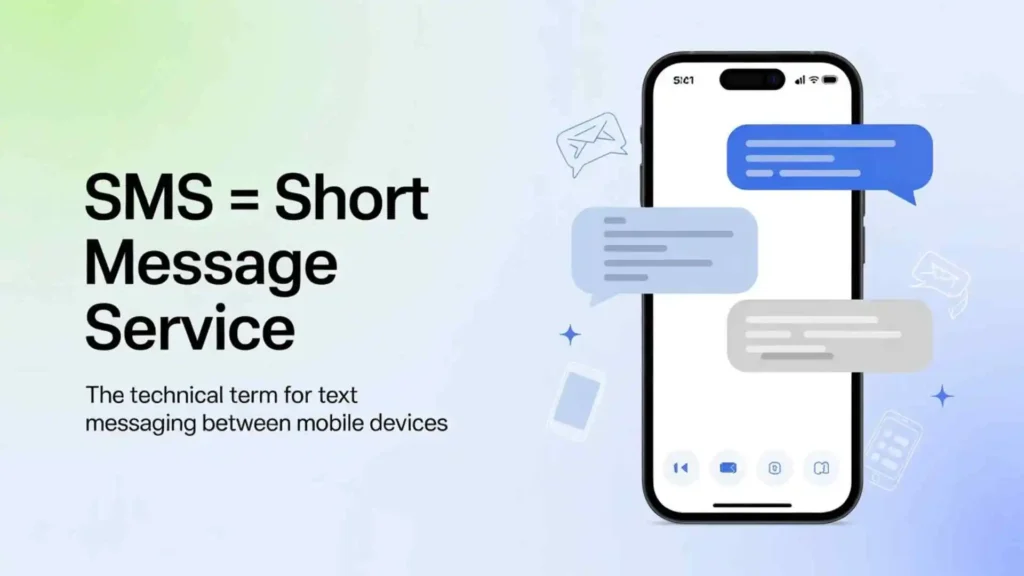
Ever seen the term SMS pop up in your messages and wondered what it actually means? SMS is everywhere—from chatting with friends to receiving important notifications.
Understanding SMS in texting will make your communication clearer and help you navigate mobile messaging like a pro. Let’s dive in and explore everything about SMS.
What Does SMS Stand For?
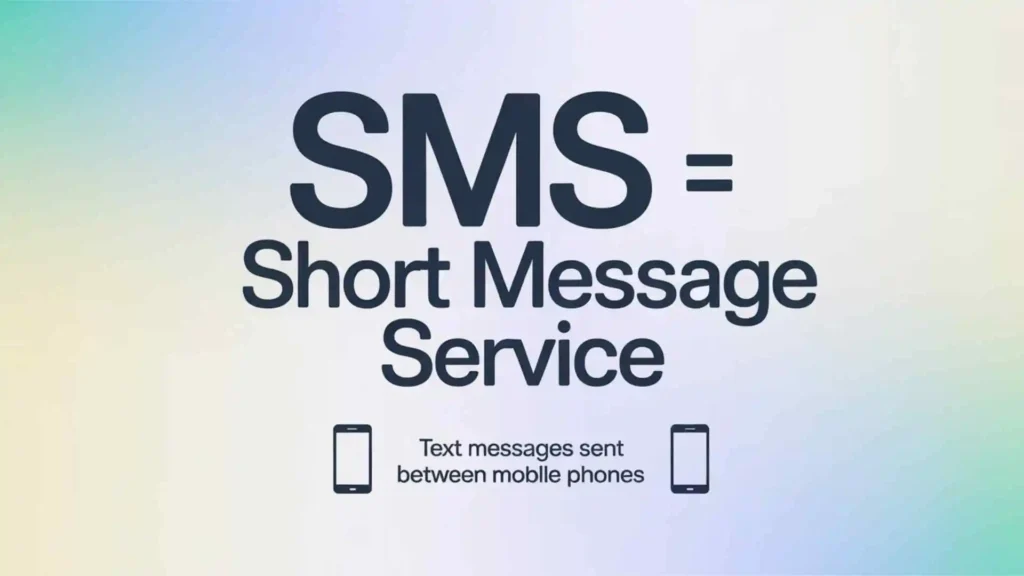
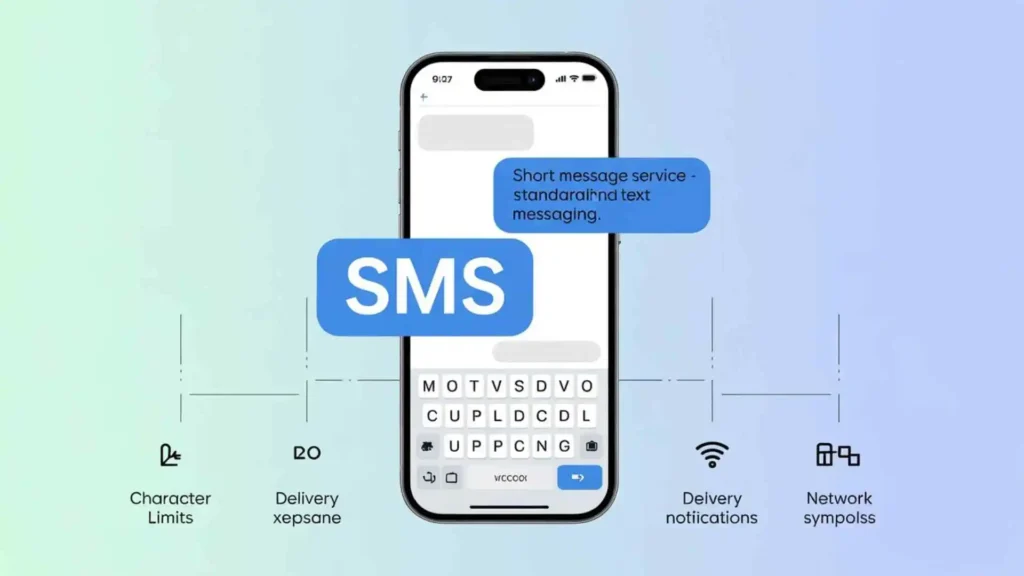
SMS stands for Short Message Service, a technology that allows you to send brief text messages between mobile devices. It was first developed in the 1980s and became widely popular in the early 1990s. Unlike MMS, which allows multimedia content, SMS is limited to plain text, making it simple and universal.
How SMS Works in Texting
SMS works through mobile networks, typically GSM or CDMA. When you send a message, it travels from your phone to a mobile operator’s SMS center and then to the recipient. Each SMS is limited to 160 characters, and longer messages are split into multiple parts. Delivery notifications indicate whether your message successfully reached the recipient.
Common Uses of SMS Today
SMS is still widely used for:
- Personal texting with friends and family.
- Business communications, including promotions, reminders, and alerts.
- Security notifications, such as two-factor authentication codes.
- Emergency alerts and government notifications.
SMS vs. Instant Messaging Apps
While apps like WhatsApp, iMessage, and Telegram offer rich media and group chats, SMS has advantages:
- Works without internet.
- Compatible with all mobile phones.
- Reliable for official communications.
However, it lacks features like multimedia sharing, voice notes, or end-to-end encryption that modern apps provide.
SMS Shortcuts and Texting Language
SMS influenced modern texting slang. Common abbreviations include:
- LOL – Laugh Out Loud
- BRB – Be Right Back
- TTYL – Talk To You Later
- OMG – Oh My God
Emojis and short forms made texting faster and more expressive, shaping the digital communication culture we use today.
Advantages of Using SMS
- Works offline, no internet needed.
- Universally compatible across devices.
- Reliable for urgent notifications and official communication.
- Simple and cost-effective in many regions.
Disadvantages of SMS
- Character limit restrictions can be inconvenient.
- May incur carrier charges depending on your plan.
- Cannot share rich media like images or videos easily.
- Vulnerable to spam or phishing messages.
Fun Facts About SMS
- The first SMS was sent in 1992, saying “Merry Christmas.”
- Billions of SMS messages are sent worldwide each year, despite the rise of apps.
- SMS records include the fastest texting competitions and longest message chains.
- Even with smartphones, SMS remains essential for notifications and official alerts.
Tips for Using SMS Effectively
- Keep messages short and clear for quick reading.
- Avoid unnecessary abbreviations in professional messages.
- Use SMS for urgent or official communication.
- Combine with apps if multimedia or group chats are needed.
Conclusion
SMS, or Short Message Service, may seem simple, but it is a cornerstone of modern communication. From personal chats to official notifications, understanding SMS ensures you use texting efficiently while appreciating its lasting relevance.
Discover More Topics:
- What Does Senpai Mean | Complete Meaning in Japanese Culture, Anime & Slang 2026
- What Does Yeet Mean | Full Meaning, Origin & Usage Explained 2026

Clara Whitmore is a literary fiction writer celebrated for her poetic prose and emotionally layered narratives.
Her stories explore love, loss, self-discovery, and the quiet strength of women in changing worlds.
Clara’s writing style is gentle yet powerful, leaving readers deeply connected to her characters long after the final page.
Books by Clara Whitmore
-
The Weight of Unspoken Words
-
Petals Falling in Winter