
“Senpai” is a popular Japanese term that has become widely knownthrough anime, manga, and online culture.
Many people search for its meaning because they see it in shows, memes, or social media posts.
While it is often associated with admiration or crushes, senpai actually has a cultural and hierarchical significance in Japan.
This article explains what senpai truly means, how it’s used, and how to use it correctly.
What Does Senpai Mean? (Simple Definition)
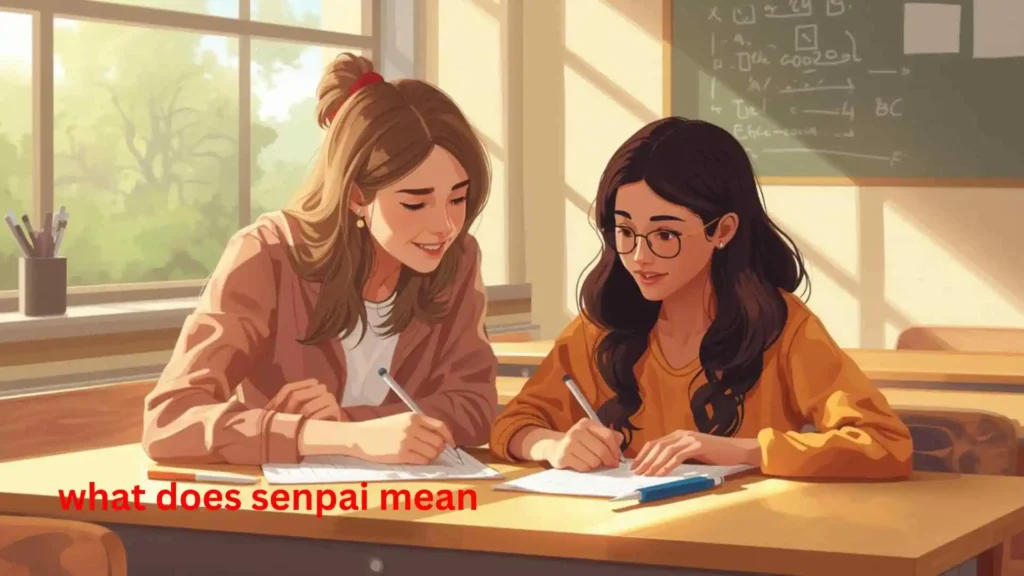
Senpai (先輩) is a Japanese word used to refer to someone senior to you in experience, age, or position.
It is a term of respect and acknowledgment rather than an automatic romantic interest.
In schools, workplaces, or clubs, senpai guides and supports their juniors, known as kohai.
Origin of the Word Senpai
The word senpai comes from Japanese language and culture, where social hierarchy is important.
It literally means “earlier born” or “one who comes before” and is used to show respect for experience.
Senpai has been part of Japanese life for decades, long before it became popular in global media.
Senpai Meaning in Japanese Culture
In Japanese schools, senpai are older students who mentor younger ones.
In workplaces, they guide new employees and share their knowledge.
The senpai–kohai system emphasizes mutual respect and support rather than superiority.
What Is the Difference Between Senpai and Kohai

Kohai (後輩) refers to juniors or less experienced individuals.
The senpai–kohai relationship is hierarchical but also supportive.
Senpai provide guidance, while kohai show respect, creating balance in schools, clubs, and workplaces.
Senpai Meaning in Anime and Manga
Anime and manga often feature senpai characters admired by kohai.
This popularized the term globally, sometimes giving it a romantic or crush-related nuance.
However, in real life, senpai simply refers to a senior or mentor figure.
Is Senpai a Romantic Term?
Not necessarily.
While some anime suggest romantic feelings, senpai itself is not inherently romantic.
Misunderstanding arises because fans often pair “notice me, senpai” with affection or admiration.
Senpai Meaning in Internet Slang and Memes
Online, senpai is used jokingly in memes or casual conversation.
It can imply admiration, respect, or playful obsession.
This slang usage differs slightly from traditional Japanese meaning but retains the idea of someone being “above” you.
How to Use Senpai Correctly
Use senpai to address or refer to someone older, more experienced, or in a higher position.
Avoid assuming it implies romance unless context indicates humor or fandom references.
Respect the hierarchy when using the term in real-life settings.
Common Mistakes and Misunderstandings About Senpai
- Senpai does not automatically mean “boyfriend” or “girlfriend.”
- It is not a teacher or authority figure by default.
- Misusing it in professional or formal settings may be inappropriate.
Frequently Asked Questions About Senpai
- What does senpai mean in anime? – Refers to a senior or admired character.
- Is senpai used outside Japan? – Mostly in fandoms, online culture, and anime communities.
- Can senpai be romantic? – Sometimes in fiction, but not inherently.
- Is senpai a formal word? – Respectful, but casual in schools or clubs.
Conclusion
Senpai is a Japanese term meaning a senior or more experienced person, widely known through anime and internet culture. While often associated with admiration, it primarily reflects respect and guidance within hierarchical relationships, making context key to understanding its proper use.
Discover More Topics:
- What Does SB Mean | Complete Meaning in Text, Slang & Social Media 2026
- What Does Wham Bam Thank You Ma’am Mean | Complete Phrase Meaning Explained 2026

Amelia Brooks is a creative writer and cultural researcher with a passion for exploring unique names, modern naming trends, and the stories behind everyday objects.
She writes easy-to-read guides that help parents, students, and creators discover meaningful and creative name ideas. Amelia believes every word and name carries its own personality.