
NGL is one of those internet slang terms that pops up everywhere and instantly makes people pause.
You might see it in a text, Snapchat message, or TikTok comment and wonder what the sender really means.
The meaning of NGL is simple, but its tone can change depending on context.
This article explains NGL clearly, with examples and usage tips anyone can understand.
What Does NGL Mean
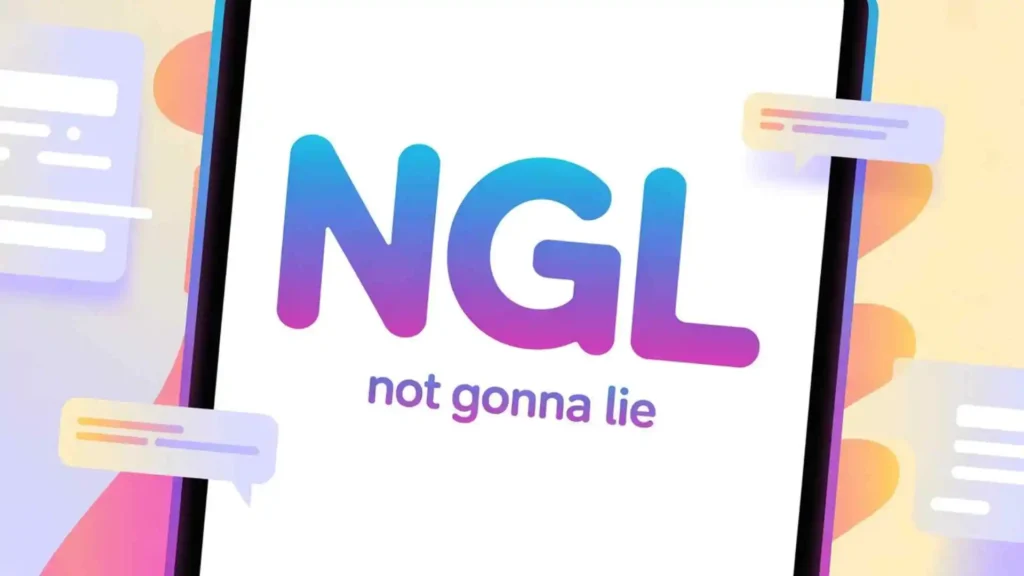
NGL means “Not Gonna Lie.”
It is used to introduce an honest thought, opinion, or feeling in a casual way.
People often say NGL before sharing something truthful or slightly blunt.
What Does NGL Stand For
NGL is a short form of Not Gonna Lie.
It replaces longer phrases like “to be honest” or “honestly speaking.”
The goal is to sound natural, relaxed, and straightforward.
How NGL Is Used in Texting
In texting, NGL usually signals honesty or a personal opinion.
It prepares the reader for what comes next, especially if it is unexpected.
Most of the time, NGL is friendly and conversational.
NGL Meaning Based on Tone and Context
The meaning of NGL depends heavily on tone and situation.
It can sound sincere, playful, sarcastic, or even slightly harsh.
Context determines whether NGL feels supportive or blunt.
Examples of NGL in Real Conversations
NGL, that movie was way better than I expected.
NGL, I was nervous before the interview.
NGL, I don’t really like that idea.
Is NGL Rude or Polite
NGL is not rude by itself.
It can sound rude if followed by criticism or negativity.
When used kindly, it often makes messages feel more honest and open.
NGL Meaning on Social Media Platforms
On Snapchat, NGL is often used in personal or emotional messages.
On TikTok, it appears in comments to share honest reactions.
On Instagram and Twitter/X, NGL usually introduces opinions or quick thoughts.
Why People Use NGL Instead of “Honestly”
NGL feels shorter, more casual, and more internet-friendly.
It fits naturally into fast-paced digital conversations.
Younger users especially prefer NGL for its relaxed tone.
When You Should Use NGL
NGL works best in informal conversations with friends or peers.
It is useful when sharing opinions, feelings, or reactions.
Casual chats and social media posts are ideal places for NGL.
When You Should Avoid Using NGL
Avoid NGL in professional emails or formal writing.
It may sound too casual or unprofessional in serious situations.
Formal settings usually require clearer and more respectful language.
NGL vs Similar Slang Terms
NGL is similar to TBH, but slightly more casual.
IMO focuses on opinions, while NGL focuses on honesty.
FR means “for real” and adds emphasis rather than honesty.
Common Misunderstandings About NGL
Some people think NGL always means negativity, which is not true.
Others assume it is rude, but context matters more than the word itself.
NGL is simply a way to signal honesty.
How to Respond When Someone Says NGL
Respond based on the tone of the message.
If it is positive, acknowledge or agree naturally.
If it is critical, stay calm and clarify politely.
Does NGL Have Any Other Meanings
NGL mostly means Not Gonna Lie in modern slang.
Other meanings are rare and uncommon in daily conversation.
In most cases, the slang meaning is the correct one.
Why Understanding NGL Matters in Online Communication
Understanding NGL helps you read tone more accurately.
It prevents misunderstandings in digital conversations.
Knowing slang improves clarity and confidence online.
Conclusion
NGL means “Not Gonna Lie” and is a casual way to introduce honesty in texting and social media, and understanding its tone and context helps you communicate more clearly and avoid misunderstandings in online conversations.
Discover More Topics:
- What Does Senpai Mean | Complete Meaning in Japanese Culture, Anime & Slang 2026
- What Does Wham Bam Thank You Ma’am Mean | Complete Phrase Meaning Explained 2026

Emily Rhodes is a contemporary fiction author known for emotionally engaging stories that explore love, identity, and quiet resilience through lyrical storytelling.
Books by Emily Rhodes
-
Where the Quiet Hearts Rest
-
Beneath the Light We Hide