Lust is a word we hear often in relationships, emotions, and conversations about attraction, yet many people misunderstand what it truly means.
It’s commonly linked only to physical desire, but lust can involve emotions, thoughts, and impulses as well.
Understanding the real meaning of lust helps you make sense of your feelings and relationships without confusion or guilt.
This guide explains lust clearly, honestly, and in a judgment-free way.
What Does Lust Mean
Lust means a strong and intense desire for someone, usually driven by physical attraction and passion.
It often focuses on craving closeness, touch, or pleasure rather than emotional bonding or long-term commitment.
Lust can appear suddenly and feel overwhelming, even when you barely know the other person.
The Origin and Basic Meaning of Lust
The word lust comes from older language roots that originally meant desire or pleasure.
Over time, its meaning shifted more toward intense physical or sexual wanting.
Today, lust is mostly used to describe powerful attraction that centers on the body rather than emotions.
Lust as a Natural Human Emotion
Lust is a natural human response connected to biology and instinct.
Hormones, attraction, and brain chemistry all play a role in creating feelings of lust.
Feeling lust does not automatically mean something is wrong or immoral.
Is Lust Only Physical Desire
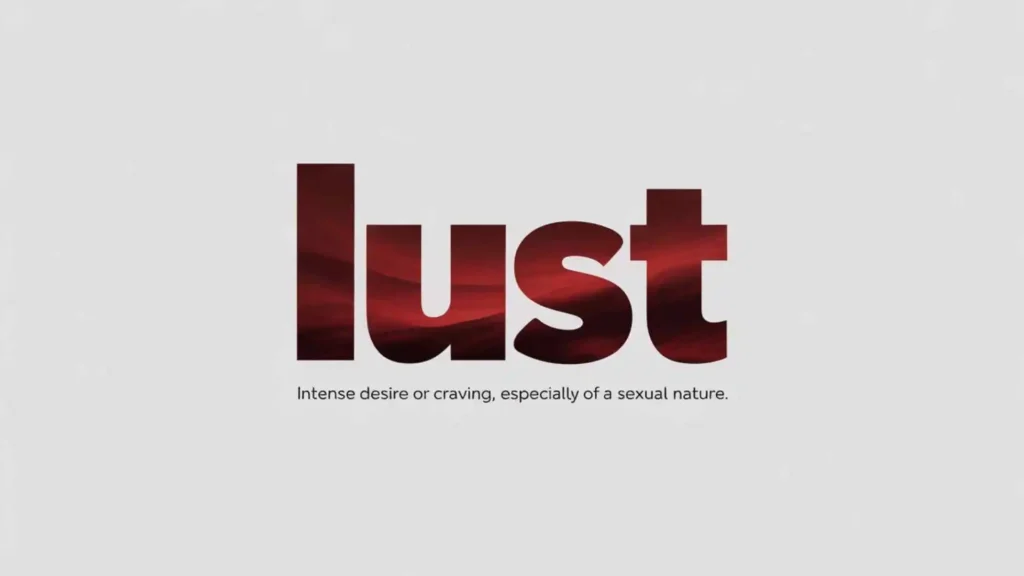
Lust is primarily physical, but it can also include emotional fantasy and imagination.
You may think about someone constantly without deeply knowing their personality.
This is why lust feels intense but often shallow compared to love.
Lust vs Love: What Is the Real Difference
Lust focuses on physical attraction, while love focuses on emotional connection and care.
Love grows over time, but lust usually appears quickly.
Love values the whole person, whereas lust often focuses on appearance or physical presence.
Lust vs Attraction vs Infatuation
Attraction is a mild interest or liking toward someone.
Infatuation is intense admiration mixed with imagination and idealization.
Lust is more body-driven and desire-focused than both attraction and infatuation.
Examples of Lust in Everyday Life
Seeing someone and instantly wanting physical closeness without emotional attachment is lust.
Feeling obsessed with someone’s looks but not their values is another common example.
Short-term flings often begin with lust rather than love.
Lust in Romantic Relationships
Lust can add excitement and passion to a healthy relationship.
Problems arise when a relationship is built only on lust without emotional depth.
Balanced relationships usually combine lust, trust, and emotional bonding.
Is Lust Good or Bad
Lust itself is neither good nor bad.
It becomes unhealthy when it controls decisions or harms relationships.
When understood and managed, lust can exist naturally without causing damage.
Lust from Moral and Cultural Perspectives
Different cultures view lust differently based on values and traditions.
Some see it as a natural instinct, while others associate it with self-control.
Most modern views focus on intention and behavior rather than feelings alone.
Is Lust a Sin
In many religious teachings, lust is considered problematic when it leads to harmful actions.
The feeling itself is often distinguished from acting on it irresponsibly.
This interpretation depends heavily on belief systems and personal values.
Signs You Are Feeling Lust and Not Love
- You focus more on physical attraction than emotional connection
- You desire closeness without wanting long-term commitment
- Your interest fades when physical attraction is removed
- You feel excitement rather than emotional security
Common Misunderstandings About Lust
Many people believe lust and love cannot exist together, which is untrue.
Others think lust always leads to bad choices, which depends on self-awareness.
Lust is often misunderstood as purely negative when it is simply human desire.
Can Lust Turn Into Love
Lust can turn into love when emotional connection develops over time.
Shared experiences, trust, and understanding can deepen attraction.
However, not all lust-based connections evolve into love.
How to Handle Lust in a Healthy Way
Awareness of your feelings is the first step.
Setting boundaries helps prevent impulsive decisions.
Honest communication ensures lust does not harm yourself or others.
Why Understanding Lust Matters
Knowing the difference between lust and love prevents emotional confusion.
It helps you make better relationship choices.
Self-awareness leads to healthier emotional and romantic experiences.
Conclusion
Lust means intense desire driven mainly by physical attraction, and while it is a natural human emotion, understanding it clearly helps you separate temporary passion from deeper emotional connection and make healthier choices in relationships.
Discover More Topics:

Liam Hawthorne is a contemporary fiction author known for his emotionally rich storytelling and realistic characters.
His writing focuses on human struggles, quiet resilience, and the unseen emotions people carry in everyday life.
Liam’s stories blend modern themes with deep introspection, making his work relatable to readers across cultures.
Books by Liam Hawthorne
-
Beneath the Silent Skies
-
Where Shadows Learn to Speak